
 EN
EN
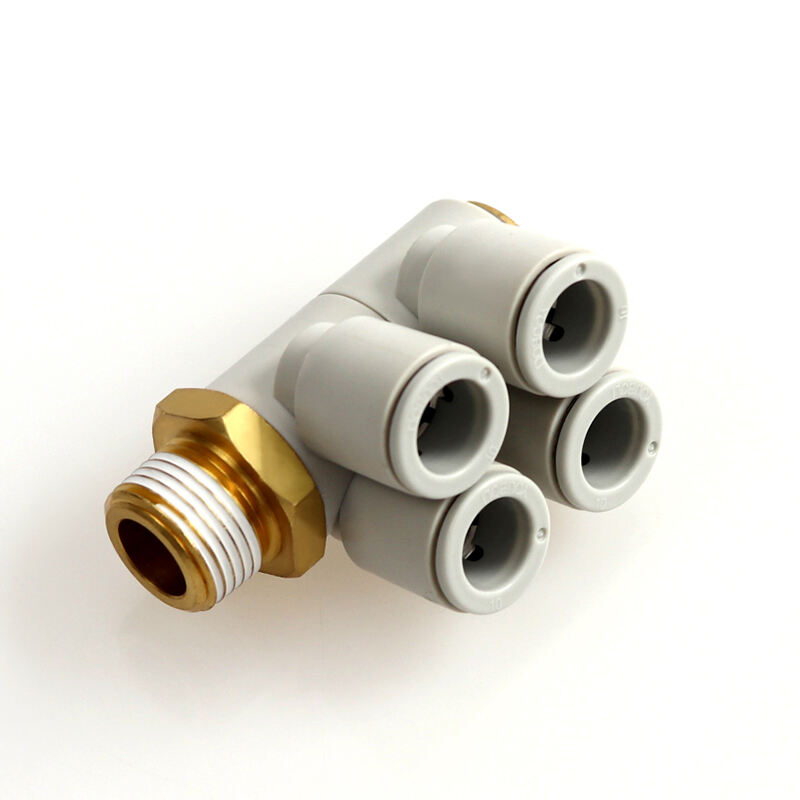
Manufacturing efficiency has become a critical competitive advantage in today's industrial landscape, with companies constantly seeking ways to streamline operations and reduce costs. Among the various components that contribute to system performance, pneumatic connections play a vital role in ensuring smooth automation processes. Modern production facilities increasingly rely on Pneumatic Push-in Fittings to create reliable air connections that support everything from robotic assembly lines to packaging equipment. These innovative fittings have revolutionized how engineers approach pneumatic system design, offering significant advantages over traditional threaded connections in both installation speed and long-term reliability.
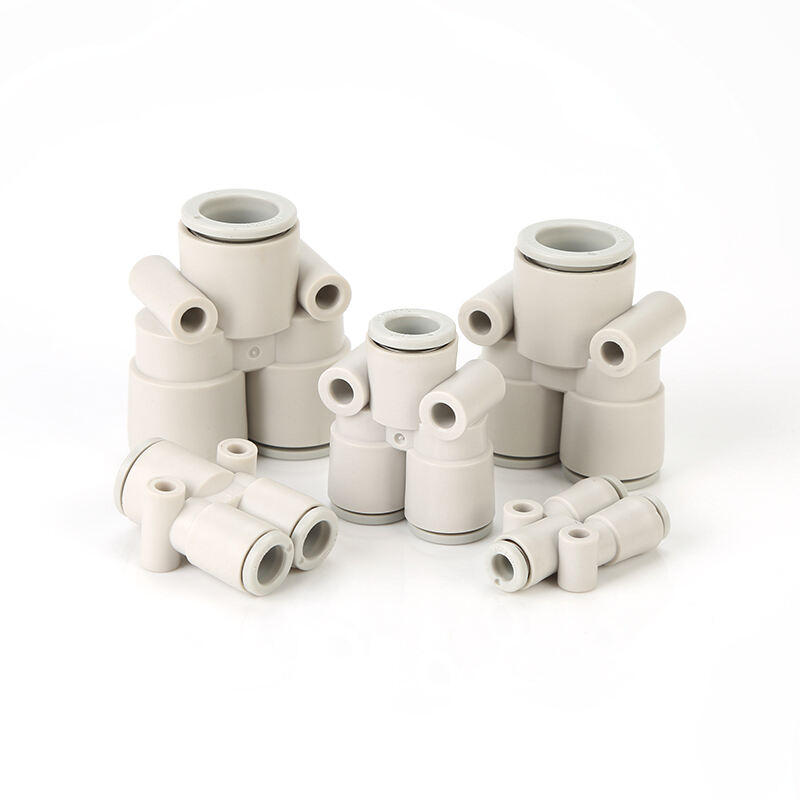
Understanding the Technology Behind Push-in Connection Systems
Mechanical Design Principles
The engineering behind pneumatic push-in fittings represents a sophisticated balance of material science and mechanical design. These fittings utilize a gripping ring mechanism that securely holds tubing in place while maintaining an airtight seal through precision-molded sealing elements. The internal components work together to create a connection that can withstand pressures up to 150 PSI in most industrial applications. Advanced polymer materials ensure that the sealing elements maintain their elasticity over thousands of connection cycles, providing consistent performance throughout the fitting's operational life.
Modern pneumatic push-in fittings incorporate multiple safety features that prevent accidental disconnection while allowing for easy removal when maintenance is required. The release mechanism typically involves a simple collar or sleeve that, when pressed, disengages the gripping elements without damaging the tubing. This design philosophy eliminates the need for specialized tools during installation or removal, significantly reducing the time required for system modifications or repairs.
Material Innovation and Durability
Contemporary pneumatic push-in fittings are manufactured using high-grade materials specifically selected for their chemical resistance and mechanical properties. Brass bodies provide excellent corrosion resistance and thermal stability, while nickel-plated finishes offer additional protection against environmental factors. The sealing elements utilize advanced elastomers that maintain their sealing properties across a wide temperature range, typically from -20°C to +80°C in standard applications.
The gripping components are precision-manufactured from hardened steel, ensuring that they maintain their holding force even after repeated use. This attention to material selection translates directly into extended service life and reduced maintenance requirements, contributing to the overall cost-effectiveness of pneumatic push-in fittings in industrial applications.
Installation Efficiency and Labor Cost Reduction
Simplified Installation Procedures
Traditional threaded pneumatic connections require careful attention to thread engagement, proper torque application, and often the use of thread sealants to ensure leak-free operation. In contrast, pneumatic push-in fittings eliminate these complexities through their intuitive design. Installation simply requires cutting the tubing to the appropriate length, ensuring a clean, square cut, and pushing it firmly into the fitting until it bottoms out. The entire process typically takes less than five seconds per connection, compared to several minutes required for threaded alternatives.
The elimination of threading operations also removes the risk of cross-threading, over-tightening, or under-tightening that can compromise system integrity. This reliability in installation procedures reduces the need for rework and system debugging, further contributing to overall project efficiency. Training requirements for technicians are also significantly reduced, as the installation process is intuitive and requires minimal specialized knowledge.
Reduced Tool Requirements
Pneumatic push-in fittings dramatically simplify the tool requirements for pneumatic system installation and maintenance. While traditional fittings may require multiple wrenches, thread sealants, and torque specifications, push-in connections need only a sharp tubing cutter for preparation. This reduction in tool complexity not only speeds up the installation process but also reduces the investment required for tooling and the potential for tool-related delays on job sites.
The standardized installation process across different fitting sizes and configurations means that technicians can work more efficiently across various system components. This consistency reduces training time and minimizes the potential for installation errors that could lead to system downtime or performance issues.
Economic Benefits in System Design and Maintenance
Direct Cost Savings Analysis
The economic advantages of pneumatic push-in fittings extend beyond simple installation time savings. Labor costs represent a significant portion of pneumatic system installation expenses, often accounting for 60-70% of total project costs. The dramatic reduction in installation time directly translates to lower labor expenses, with many facilities reporting 50-75% reductions in connection time compared to traditional methods.
Material costs also favor push-in technology in many applications. While the initial unit cost of pneumatic push-in fittings may be slightly higher than basic threaded alternatives, the elimination of thread sealants, reduced tool wear, and decreased rework requirements often result in lower overall material expenses. Additionally, the improved reliability reduces the need for spare parts inventory, further contributing to cost optimization.
Maintenance and Serviceability Advantages
Long-term maintenance costs represent a significant consideration in pneumatic system economics. Pneumatic push-in fittings offer substantial advantages in this area through their ability to be disconnected and reconnected multiple times without degradation in performance. This feature proves particularly valuable during system modifications, equipment relocations, or routine maintenance procedures.
The visual confirmation of proper installation provided by push-in fittings also contributes to reduced maintenance costs. Technicians can quickly verify that tubing is properly seated by observing the insertion depth, eliminating guesswork and reducing the potential for connection failures. This visual feedback mechanism helps prevent many common pneumatic system problems before they can cause operational disruptions.
Performance Characteristics and System Integration
Pressure and Flow Considerations
Modern pneumatic push-in fittings are engineered to meet or exceed the performance requirements of most industrial pneumatic applications. Flow characteristics are optimized through careful attention to internal geometry, with many designs offering flow coefficients comparable to or better than traditional threaded connections. The smooth internal passages minimize pressure drops, contributing to overall system efficiency.
Pressure ratings for quality pneumatic push-in fittings typically range from 150 to 200 PSI for standard industrial applications, with specialized high-pressure variants available for demanding environments. These ratings, combined with appropriate safety factors, make push-in technology suitable for the vast majority of pneumatic control and power applications found in modern manufacturing facilities.
Compatibility and Standardization
The widespread adoption of pneumatic push-in fittings has led to extensive standardization across the industry, ensuring compatibility between components from different manufacturers. This standardization extends to tubing specifications, with most systems designed around common polyurethane and nylon tubing sizes ranging from 4mm to 16mm outside diameter.
Integration with existing pneumatic systems is typically straightforward, as most pneumatic push-in fittings are available with standard thread specifications for connection to valves, cylinders, and other system components. This compatibility allows for gradual system upgrades without requiring complete redesigns, making the technology accessible for retrofit applications as well as new installations.
Applications Across Industrial Sectors
Manufacturing and Assembly Operations
In manufacturing environments, pneumatic push-in fittings have become essential components in automated assembly lines, where rapid reconfiguration capabilities directly impact production flexibility. Automotive assembly plants, for instance, frequently reconfigure pneumatic circuits to accommodate different vehicle models or production sequences. The speed and reliability of push-in connections enable these changes to be completed during planned maintenance windows rather than requiring extended downtime.
Electronics manufacturing facilities particularly benefit from the clean installation process offered by pneumatic push-in fittings. The elimination of thread cutting fluids and sealants reduces the risk of contamination in sensitive production environments. Additionally, the compact design of many push-in fittings allows for more efficient use of space in densely packed automation equipment.
Food Processing and Pharmaceutical Applications
The food processing and pharmaceutical industries have specific requirements for pneumatic systems that must meet strict hygiene and safety standards. Pneumatic push-in fittings designed for these applications incorporate features such as FDA-approved materials, smooth surfaces that resist bacterial growth, and designs that facilitate thorough cleaning procedures.
The ability to quickly disconnect and reconnect pneumatic lines proves particularly valuable during cleaning operations and equipment sanitization procedures. This capability allows for more thorough cleaning access while minimizing system downtime, contributing to both operational efficiency and regulatory compliance.
Selection Criteria and Implementation Guidelines
Technical Specification Considerations
Selecting appropriate pneumatic push-in fittings requires careful consideration of several technical factors beyond basic size and thread specifications. Operating pressure and temperature ranges must align with system requirements, while chemical compatibility becomes crucial in applications involving exposure to coolants, cleaning agents, or process chemicals. Flow requirements should also be evaluated, particularly in high-speed applications where pressure drops can impact cycle times.
Environmental factors such as vibration, temperature cycling, and exposure to contaminants can influence fitting selection and installation practices. In high-vibration environments, additional securing methods may be necessary, while extreme temperature applications might require specialized sealing materials or fitting designs.
Quality and Certification Standards
The quality of pneumatic push-in fittings varies significantly among manufacturers, making careful supplier selection crucial for reliable system performance. Reputable manufacturers typically provide comprehensive testing data, including pressure cycling tests, pull-out force measurements, and long-term reliability studies. Certifications from recognized standards organizations provide additional assurance of product quality and performance consistency.
Documentation and traceability become particularly important in regulated industries where component failure could have serious consequences. Quality pneumatic push-in fittings should include batch tracking information and comprehensive technical documentation to support regulatory compliance requirements.
FAQ
What is the typical lifespan of pneumatic push-in fittings in industrial applications
High-quality pneumatic push-in fittings typically provide reliable service for 5-10 years in standard industrial applications, depending on operating conditions and usage frequency. Factors such as pressure cycling, temperature variations, and chemical exposure can influence lifespan. Regular inspection and preventive maintenance can extend service life significantly, with many installations exceeding manufacturer specifications when properly maintained.
Can pneumatic push-in fittings handle the same pressure levels as threaded connections
Modern pneumatic push-in fittings are engineered to meet or exceed the pressure requirements of most industrial pneumatic systems, typically handling pressures up to 150-200 PSI depending on the specific design and materials. While some specialized high-pressure applications may still require threaded connections, the vast majority of industrial automation and control applications operate well within the capability range of quality push-in fittings.
How do installation costs compare between push-in and traditional threaded fittings
Installation costs for pneumatic push-in fittings are typically 50-75% lower than traditional threaded connections when considering total labor time. While the unit cost of push-in fittings may be slightly higher, the dramatic reduction in installation time, elimination of thread sealants, and reduced tool requirements result in significant overall cost savings, particularly in large-scale installations or applications requiring frequent modifications.
Are there any limitations or disadvantages to using pneumatic push-in fittings
While pneumatic push-in fittings offer numerous advantages, they do have some limitations including maximum pressure restrictions compared to some high-pressure threaded alternatives, potential sensitivity to tubing preparation quality, and the need for specific tubing materials and sizes. Additionally, in extremely high-vibration environments, additional securing methods may be necessary to prevent accidental disconnection, though this is uncommon in typical industrial applications.
Table of Contents
- Understanding the Technology Behind Push-in Connection Systems
- Installation Efficiency and Labor Cost Reduction
- Economic Benefits in System Design and Maintenance
- Performance Characteristics and System Integration
- Applications Across Industrial Sectors
- Selection Criteria and Implementation Guidelines
-
FAQ
- What is the typical lifespan of pneumatic push-in fittings in industrial applications
- Can pneumatic push-in fittings handle the same pressure levels as threaded connections
- How do installation costs compare between push-in and traditional threaded fittings
- Are there any limitations or disadvantages to using pneumatic push-in fittings