
 EN
EN
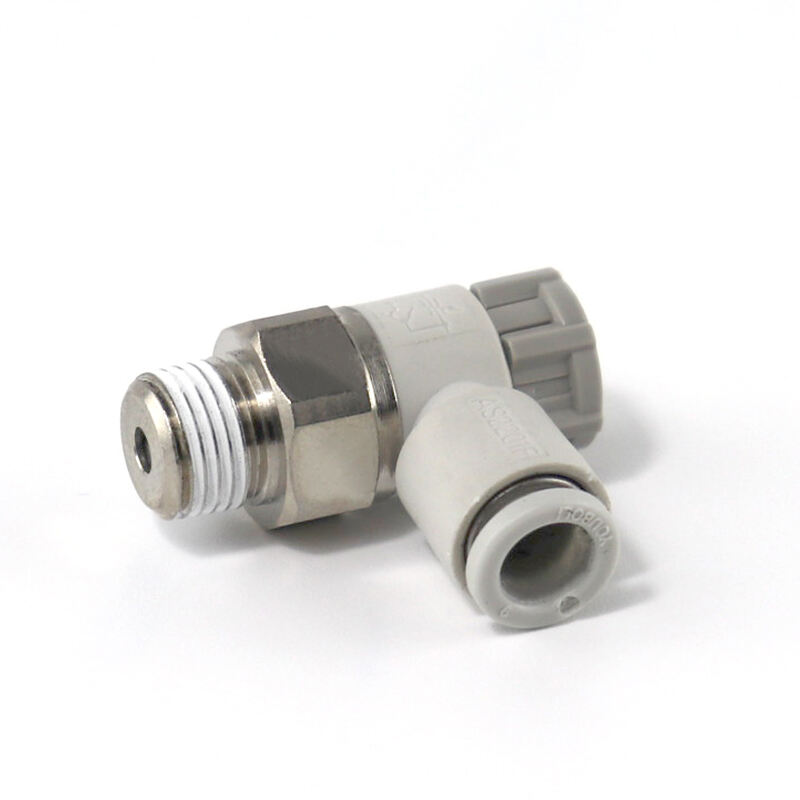
Designing an efficient pneumatic system requires careful consideration of multiple components, with the selection of appropriate pipe fittings serving as a critical foundation for optimal performance. A well-designed pneumatic system can significantly enhance productivity, reduce maintenance costs, and ensure reliable operation across various industrial applications. The choice of pneumatic fitting directly impacts system efficiency, air leakage prevention, and overall operational reliability. Understanding the fundamental principles of pneumatic system design enables engineers to create robust installations that deliver consistent performance while minimizing energy consumption and operational downtime.
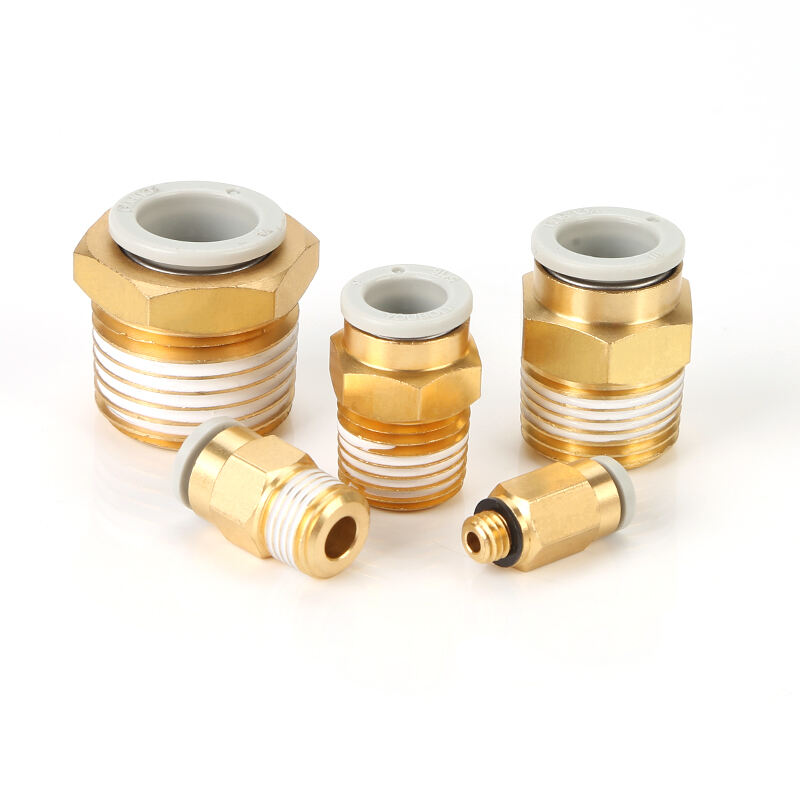
Understanding Pneumatic System Fundamentals
Core Components of Pneumatic Systems
Every pneumatic system consists of several essential components that work together to generate, distribute, and control compressed air flow. The air compressor serves as the primary power source, generating compressed air that flows through distribution networks via carefully selected piping and fittings. Air treatment units, including filters, regulators, and lubricators, ensure clean and properly conditioned air reaches actuators and other end devices. The pneumatic fitting plays a crucial role in connecting these various components while maintaining system integrity and preventing pressure losses that could compromise overall performance.
Control valves manage air flow direction and pressure levels throughout the system, enabling precise operation of pneumatic actuators such as cylinders and motors. Proper system design requires understanding how each component interacts with others, particularly regarding pressure drops, flow rates, and connection requirements. The selection of appropriate fittings ensures secure connections that can withstand operating pressures while facilitating easy maintenance and system modifications when necessary.
System Pressure and Flow Considerations
Operating pressure levels significantly influence the design approach for pneumatic systems, with most industrial applications requiring pressures between 80 and 120 PSI for optimal performance. Higher pressures can increase actuator force output but also raise energy consumption and component stress levels, making proper pressure regulation essential. Flow rate requirements depend on actuator size, operating speed, and duty cycle characteristics, with adequate sizing preventing performance bottlenecks during peak demand periods.
Pressure drop calculations become critical when designing distribution networks, as excessive losses reduce available pressure at end devices and compromise system efficiency. Each fitting, valve, and pipe segment contributes to overall pressure drop, making component selection and layout optimization essential for maintaining adequate pressure levels throughout the system. Understanding these relationships enables engineers to design systems that deliver consistent performance while minimizing energy waste and operational costs.
Essential Types of Pipe Fittings
Push-to-Connect Fittings
Push-to-connect fittings have revolutionized pneumatic system assembly by eliminating the need for threading, soldering, or other complex connection methods. These fittings feature internal gripping mechanisms that securely hold tubing while providing reliable sealing under operating pressures. Installation requires simply pushing the tubing into the fitting until it reaches the internal stop, creating an immediate and secure connection that can withstand typical pneumatic system pressures.
The convenience of push-to-connect technology extends beyond initial installation to include easy disconnection for maintenance or system reconfiguration. Most designs incorporate release mechanisms that allow quick tubing removal without damaging the fitting or tubing, making these connections ideal for applications requiring frequent changes. Material compatibility considerations include ensuring chemical resistance between fitting components and system fluids while maintaining appropriate temperature ratings for the operating environment.
Threaded Connection Fittings
Threaded fittings provide robust connections suitable for high-pressure applications and permanent installations where connection security takes priority over installation convenience. National Pipe Thread (NPT) and British Standard Pipe Thread (BSPT) represent common threading standards, with proper thread engagement and sealing compound application ensuring leak-free operation. These fittings offer excellent resistance to vibration and mechanical stress, making them suitable for mobile equipment and harsh operating environments.
Installation of threaded fittings requires careful attention to thread engagement depth and torque specifications to prevent over-tightening that could damage components or under-tightening that allows air leakage. Thread sealant selection depends on system pressure, temperature, and chemical compatibility requirements, with PTFE tape and liquid sealants representing common options for pneumatic applications. Proper installation techniques ensure long-term reliability while facilitating future maintenance activities.
Material Selection for Optimal Performance
Brass and Bronze Fittings
Brass fittings offer excellent corrosion resistance and mechanical strength, making them suitable for most pneumatic applications requiring durable connections. The material's natural antimicrobial properties provide additional benefits in food processing and medical applications where contamination prevention is critical. Brass maintains consistent performance across typical pneumatic operating temperatures while offering good machinability for custom fitting requirements.
Bronze fittings provide enhanced strength and wear resistance compared to standard brass, making them appropriate for high-cycle applications and environments with abrasive contaminants. Both materials offer excellent pressure ratings when properly manufactured, with quality fittings capable of handling pressures well above typical pneumatic system requirements. Cost considerations often favor brass for general applications, while bronze selection may be justified for demanding service conditions requiring maximum durability.
Stainless Steel and Plastic Options
Stainless steel fittings deliver maximum corrosion resistance and strength, making them essential for applications involving harsh chemicals, extreme temperatures, or stringent hygiene requirements. Food processing, pharmaceutical manufacturing, and marine environments often mandate stainless steel components to meet regulatory requirements and ensure long-term reliability. The material's non-reactive properties prevent contamination of system air while maintaining dimensional stability under varying operating conditions.
High-quality plastic fittings manufactured from materials such as POM (polyoxymethylene) or nylon provide cost-effective solutions for lower-pressure applications while offering excellent chemical resistance to many industrial fluids. These materials reduce system weight and eliminate concerns about galvanic corrosion when used with dissimilar metals. Temperature limitations and pressure ratings require careful consideration during selection, as plastic properties can vary significantly with environmental conditions.
Design Principles for System Efficiency
Minimizing Pressure Drops
Effective pneumatic system design focuses on minimizing pressure drops throughout the distribution network to maintain adequate pressure at end devices while reducing energy consumption. Proper sizing of piping and fittings ensures adequate flow capacity without excessive velocity that increases turbulence and pressure losses. The pneumatic fitting selection should prioritize smooth internal flow paths and appropriate port sizes to minimize flow restrictions.
Distribution network layout affects pressure drop characteristics, with shorter runs and fewer direction changes reducing overall losses. Strategic placement of distribution points near high-demand areas minimizes long pipe runs that contribute to pressure drop accumulation. Looped distribution systems can provide multiple flow paths to critical applications, improving pressure stability while providing redundancy for maintenance activities.
Leak Prevention Strategies
Air leakage represents one of the most significant sources of energy waste in pneumatic systems, making leak prevention a primary design consideration. Quality fittings with appropriate sealing mechanisms prevent leakage at connection points, while proper installation techniques ensure long-term sealing integrity. Regular leak detection and repair programs can identify developing problems before they become significant energy losses.
System design should minimize the total number of connections required, as each joint represents a potential leak point that could compromise system efficiency. When connections are necessary, selecting proven fitting designs with documented sealing performance helps ensure reliable operation. Environmental factors such as temperature cycling, vibration, and chemical exposure can affect sealing performance over time, making material compatibility and design robustness important selection criteria.
Installation Best Practices
Proper Assembly Techniques
Correct installation procedures ensure that pneumatic fitting connections achieve their designed performance capabilities while providing long-term reliability. Tubing preparation involves cutting clean, square ends free from burrs or deformation that could compromise sealing or cause premature fitting wear. Proper insertion depth ensures full engagement with internal gripping mechanisms while avoiding over-insertion that might damage sealing elements.
Thread preparation for threaded fittings includes cleaning threads of manufacturing debris and applying appropriate sealant according to manufacturer specifications. Torque application should follow recommended values to achieve proper sealing without over-stressing components that could lead to premature failure. Installation documentation should record fitting types, locations, and installation dates to support future maintenance planning and troubleshooting activities.
System Testing and Commissioning
Comprehensive system testing verifies that installed fittings perform according to design specifications while identifying any issues requiring correction before operational startup. Pressure testing at levels above normal operating pressure confirms connection integrity and helps identify weak points that might develop leaks during service. Flow testing ensures adequate capacity at all system points while verifying that pressure drops remain within acceptable limits.
Leak detection during commissioning involves both audible inspection and soap solution testing at all connection points to identify even minor leakage that could become problematic over time. Documentation of test results provides baseline performance data for comparison during future maintenance activities. Any identified issues should be corrected and retested to ensure complete system reliability before beginning normal operations.
Maintenance and Troubleshooting
Routine Inspection Procedures
Regular inspection of pneumatic fitting connections helps identify developing problems before they cause system failures or significant energy losses. Visual inspection should check for signs of wear, corrosion, or mechanical damage that could compromise fitting performance. Connection tightness verification ensures that vibration or thermal cycling has not loosened threaded connections that require retightening to maintain sealing integrity.
Leak detection should be performed systematically throughout the system using appropriate detection methods ranging from soap solutions for minor leaks to ultrasonic detectors for comprehensive surveys. Documentation of inspection results helps track fitting performance trends and identify patterns that might indicate systematic issues requiring attention. Preventive replacement of fittings showing signs of deterioration can prevent unexpected failures during critical operations.
Common Problem Resolution
Frequent pneumatic fitting problems include air leakage, connection loosening, and premature wear that can be addressed through proper diagnosis and corrective action. Leakage often results from improper installation, inadequate sealing compound, or component wear that requires fitting replacement or repair. Connection loosening typically indicates insufficient initial torque, vibration effects, or thermal cycling that exceeds design limits.
Premature fitting wear may indicate contamination issues, excessive pressure cycling, or incompatible materials that require system modifications to prevent recurrence. Troubleshooting should consider environmental factors, operating conditions, and maintenance practices that might contribute to fitting problems. Root cause analysis helps identify systematic issues requiring design changes or procedural improvements to ensure long-term system reliability.
FAQ
What factors determine the appropriate pneumatic fitting size for my application?
Pneumatic fitting size selection depends on several key factors including required flow rate, operating pressure, connected component port sizes, and space constraints. Flow rate requirements determine minimum fitting bore size to prevent excessive pressure drops, while pressure ratings must exceed maximum system pressure with appropriate safety margins. Connected component compatibility ensures proper fit with actuators, valves, and other system devices, while available installation space may limit fitting configuration options.
How do I prevent air leakage in pneumatic fitting connections?
Preventing air leakage requires proper fitting selection, correct installation procedures, and regular maintenance practices. Choose high-quality fittings appropriate for your pressure and environmental conditions, ensuring compatibility between fitting materials and system requirements. Follow manufacturer installation instructions precisely, including proper thread engagement, torque specifications, and sealant application. Implement regular leak detection and repair programs to identify developing problems before they become significant energy losses.
What maintenance schedule should I follow for pneumatic fittings?
Maintenance schedules for pneumatic fittings depend on operating conditions, system criticality, and environmental factors, but generally include quarterly visual inspections and annual comprehensive leak detection surveys. High-vibration or harsh environments may require monthly inspections, while clean, stable conditions might allow semi-annual schedules. Critical systems should receive more frequent attention to prevent unexpected failures, while documented inspection results help optimize maintenance intervals based on actual performance trends.
Can I mix different fitting materials within the same pneumatic system?
Mixing fitting materials within pneumatic systems is possible but requires careful consideration of compatibility factors including galvanic corrosion potential, thermal expansion differences, and chemical compatibility with system fluids. Stainless steel and brass components can typically be used together in dry air systems, while dissimilar metals in wet environments may require isolation or corrosion prevention measures. Consult material compatibility charts and consider environmental conditions when planning mixed-material installations to ensure long-term reliability.