
 EN
EN
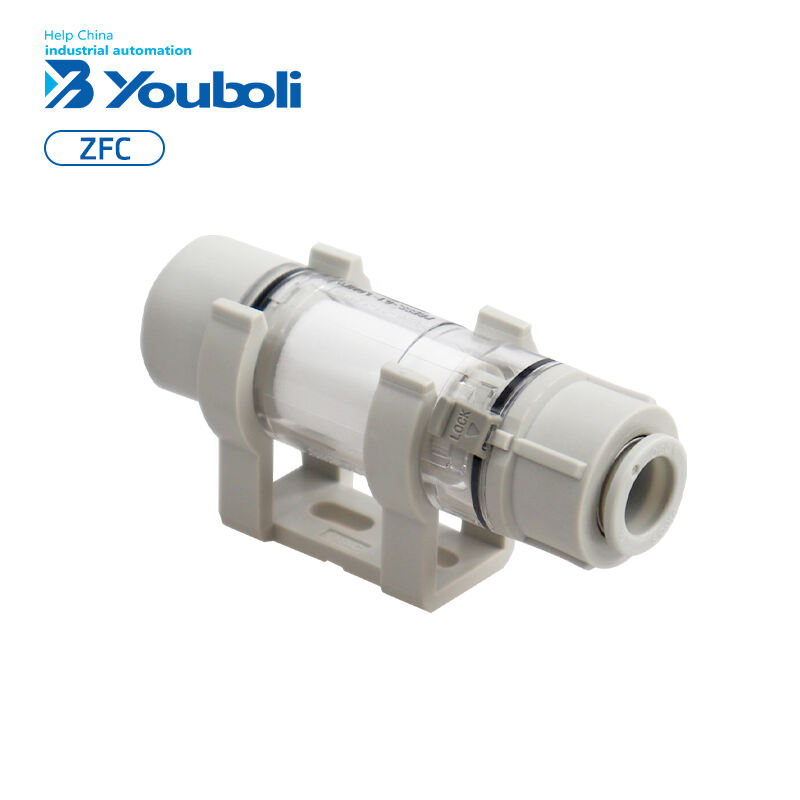
Installing a pneumatic fitting correctly is crucial for maintaining optimal system performance and preventing costly air leaks in industrial applications. Whether you're working with compressed air systems, automation equipment, or pneumatic tools, proper installation techniques ensure reliable connections that can withstand pressure variations and operational demands. A well-installed pneumatic fitting not only prevents system downtime but also maximizes energy efficiency by eliminating air loss that can significantly impact operational costs.
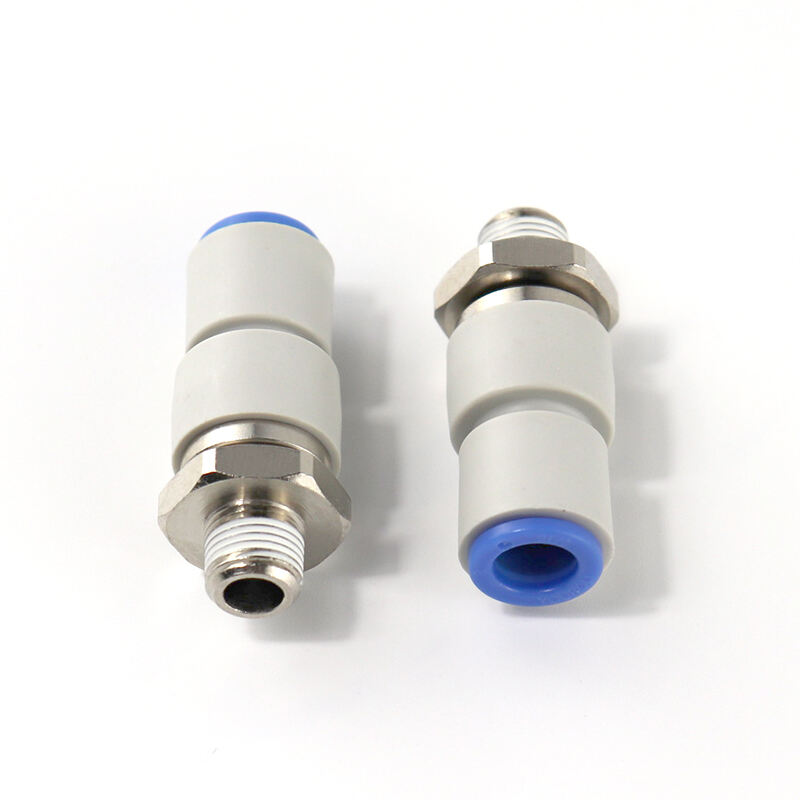
Understanding the fundamentals of pneumatic fitting installation requires knowledge of system pressures, environmental conditions, and material compatibility. Modern pneumatic systems operate under varying pressure ranges, typically from 15 to 150 PSI, demanding fittings that can maintain seal integrity across these conditions. The selection and installation process must account for factors such as temperature fluctuations, vibration resistance, and chemical compatibility with system fluids.
Essential Tools and Materials for Installation
Required Installation Tools
Successful pneumatic fitting installation begins with assembling the appropriate tools for the job. Essential equipment includes adjustable wrenches sized appropriately for your fitting dimensions, pipe thread sealant or PTFE tape, thread cutting oil for metal fittings, and torque wrenches for precise tightening specifications. Digital calipers help ensure accurate measurements, while a thread pitch gauge verifies compatibility between male and female components.
Additional specialized tools enhance installation quality and efficiency. Pipe reamers remove burrs from cut tubing ends, while tube cutters provide clean, square cuts essential for proper sealing. Thread chasers repair damaged threads, and fitting removal tools prevent damage during system modifications or maintenance. Having these tools readily available reduces installation time and improves connection reliability.
Material Selection Considerations
Choosing the correct materials significantly impacts installation success and long-term performance. Brass fittings offer excellent corrosion resistance and machinability, making them ideal for general-purpose applications. Stainless steel provides superior chemical resistance and strength for harsh environments, while nickel-plated brass combines durability with cost-effectiveness for standard industrial applications.
Sealing materials require careful consideration based on system requirements. PTFE tape works well for standard applications but may not be suitable for high-vibration environments where liquid sealants provide better performance. O-rings must match system pressures and temperatures, with nitrile rubber suitable for most pneumatic applications and fluorocarbon elastomers required for extreme conditions.
Pre-Installation Preparation Steps
System Assessment and Planning
Thorough system assessment prevents installation complications and ensures optimal fitting performance. Begin by documenting existing system pressures, flow requirements, and environmental conditions that may affect fitting selection. Identify potential stress points where thermal expansion, vibration, or mechanical forces could impact connections. This assessment guides fitting placement and support requirements.
Planning the installation sequence prevents unnecessary system shutdowns and reduces labor costs. Map out the most efficient routing paths, considering maintenance access requirements and potential future modifications. Coordinate with other trades to avoid conflicts and ensure proper support structures are in place before beginning installation work.
Component Inspection and Verification
Inspect all components before installation to identify potential issues that could compromise system integrity. Examine fitting threads for damage, burrs, or contamination that could prevent proper engagement. Verify thread pitch and size compatibility using gauges, as mismatched components can cause cross-threading and seal failure.
Check tubing or pipe ends for proper preparation, ensuring cuts are square and free from burrs that could damage sealing surfaces. Measure insertion depths to confirm adequate engagement without over-insertion that could restrict flow. Clean all surfaces with appropriate solvents to remove manufacturing oils, dirt, or debris that could interfere with sealing.
Step-by-Step Installation Process
Thread Preparation and Sealing
Proper thread preparation forms the foundation of leak-free connections in pneumatic systems. Start by cleaning all threaded surfaces with a wire brush or appropriate solvent to remove any debris, oils, or old sealant materials. Apply thread sealant according to manufacturer specifications, typically starting two threads from the end and covering approximately two-thirds of the threaded length to prevent sealant from entering the system.
When using PTFE tape, wrap in the direction of thread engagement to prevent unwinding during installation. Apply two to three wraps for standard applications, ensuring consistent coverage without gaps or excessive buildup that could prevent proper thread engagement. Avoid covering the first thread completely to prevent sealant contamination of system fluids.
Assembly and Tightening Procedures
Begin assembly by hand-threading components until finger-tight, ensuring smooth engagement without cross-threading. This initial step allows you to feel for proper thread alignment and identifies potential issues before applying tools. Once hand-tight, use appropriate wrenches to achieve final torque specifications, typically ranging from 10 to 50 foot-pounds depending on fitting size and material.
Apply torque gradually and evenly to prevent thread damage or uneven stress distribution. For Pneumatic Fitting installations requiring precise alignment, such as panel-mount applications, use backup wrenches to prevent component rotation during tightening. Monitor fitting orientation throughout the process to ensure proper final positioning.
Quality Assurance and Testing
Initial Pressure Testing
Systematic pressure testing validates installation quality and identifies potential leaks before full system operation. Begin with low-pressure testing using shop air or nitrogen at approximately 25% of system operating pressure. This initial test allows for safe identification of major leaks without risking component damage or safety hazards.
Gradually increase test pressure in increments, monitoring all connections for signs of leakage using appropriate detection methods. Soap solution application provides visual leak indication, while electronic leak detectors offer greater sensitivity for small leaks. Document all test pressures and results for future reference and compliance requirements.
Long-Term Performance Monitoring
Establishing monitoring procedures ensures continued system reliability and identifies developing issues before they cause failures. Implement regular inspection schedules based on system criticality and operating conditions, typically ranging from monthly visual inspections to annual comprehensive testing. Monitor pressure drops across the system that could indicate developing leaks or restrictions.
Track system performance metrics such as compressor run time, pressure stability, and energy consumption to identify efficiency changes that may indicate fitting problems. Maintain detailed records of all inspections, repairs, and modifications to support predictive maintenance programs and warranty requirements.
Troubleshooting Common Installation Issues
Leak Detection and Resolution
Identifying and resolving leaks requires systematic diagnostic approaches to pinpoint root causes. Small leaks may not be immediately visible but can significantly impact system efficiency over time. Use ultrasonic leak detectors for precise location identification, especially in noisy industrial environments where audible detection methods prove ineffective.
Common leak sources include insufficient thread sealant, over-tightening that damages threads or seals, and contamination that prevents proper sealing surface contact. Address each potential cause systematically, starting with the most likely issues based on installation conditions and observed symptoms. Document all corrective actions for future reference and training purposes.
Performance Optimization Strategies
Optimizing pneumatic fitting performance extends beyond basic leak prevention to include flow efficiency and system longevity considerations. Ensure proper fitting sizing to minimize pressure drops while maintaining adequate safety factors for pressure ratings. Oversized fittings may reduce pressure drop but increase system costs, while undersized components create bottlenecks that reduce efficiency.
Consider environmental factors that may affect long-term performance, such as temperature cycling, vibration exposure, and chemical compatibility with system fluids. Implement appropriate support strategies to minimize stress on fittings, including flexible connections for thermal expansion accommodation and vibration isolation where necessary.
FAQ
What torque specifications should I use for different pneumatic fitting sizes
Torque specifications vary based on fitting size, material, and thread type, but general guidelines provide starting points for most applications. Small fittings (1/8" to 1/4") typically require 8-15 foot-pounds, medium sizes (3/8" to 1/2") need 15-25 foot-pounds, and larger fittings (3/4" and above) may require 25-50 foot-pounds. Always consult manufacturer specifications for exact requirements, as different materials and designs may have unique torque recommendations that ensure optimal performance without damage.
How do I prevent cross-threading during pneumatic fitting installation
Preventing cross-threading requires careful alignment and proper installation techniques that protect both male and female threads. Start by ensuring both components are clean and properly aligned before beginning thread engagement. Thread components by hand initially, feeling for smooth engagement without forcing or binding. If resistance is encountered immediately, back out and realign rather than applying additional force. Use thread gauges to verify compatibility before installation, and maintain straight insertion angles to prevent side loading that can damage threads.
What are the signs that indicate a pneumatic fitting needs replacement
Several indicators suggest pneumatic fitting replacement is necessary to maintain system integrity and performance. Visible air leaks, even small ones, indicate seal degradation or thread damage that typically worsens over time. Corrosion, cracking, or other physical damage compromises fitting strength and reliability. Difficulty achieving proper torque during maintenance or repeated loosening suggests thread wear that prevents secure connections. Pressure drops across individual fittings or unusual system behavior may indicate internal damage or flow restrictions requiring component replacement.
Can I reuse pneumatic fittings after removal from a system
Reusing pneumatic fittings depends on their condition after removal and the critical nature of the application. Inspect threads carefully for damage, wear, or galling that could prevent proper installation or sealing. Clean all surfaces thoroughly and verify dimensional accuracy using appropriate gauges. Replace any O-rings or sealing elements with new components rated for system conditions. While reuse may be acceptable for non-critical applications, new fittings are recommended for safety-critical systems or applications where failure could cause significant downtime or damage.