
 EN
EN
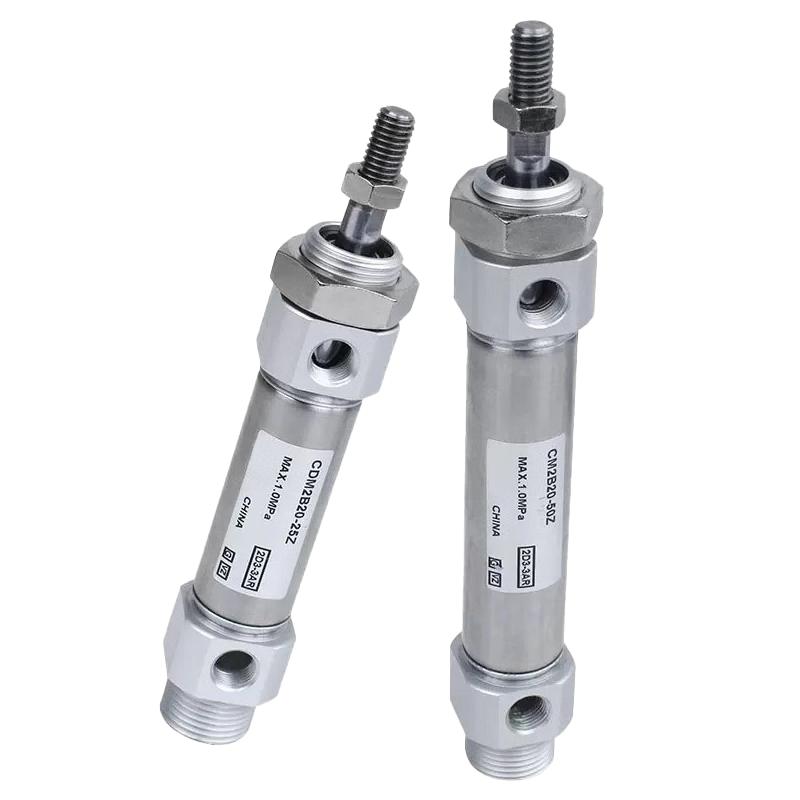
Industrial automation systems rely heavily on pneumatic cylinders to deliver consistent power and precision across countless applications. These essential components convert compressed air energy into linear mechanical motion, making them indispensable in manufacturing, packaging, and assembly operations. However, like any mechanical system, pneumatic cylinders can develop issues that affect performance, efficiency, and operational reliability. Understanding common problems and their solutions helps maintenance teams minimize downtime while maximizing equipment lifespan.
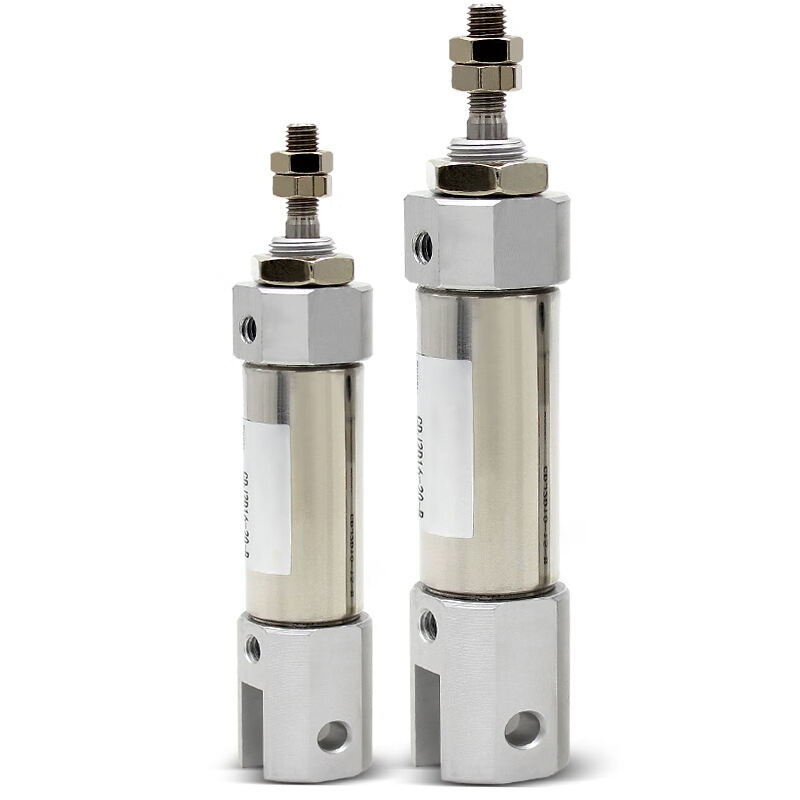
Proper troubleshooting techniques enable technicians to quickly identify root causes and implement effective repairs. This comprehensive guide examines five prevalent pneumatic cylinder problems, their underlying causes, and proven repair methodologies. Whether dealing with leakage issues, erratic movement, or complete system failure, systematic diagnosis approaches ensure accurate problem identification and successful resolution.
Understanding Pneumatic System Fundamentals
Basic Operating Principles
Pneumatic cylinders operate through controlled air pressure differentials that create force across piston surfaces. Compressed air enters designated ports, pushing pistons along cylinder bores to extend or retract rod assemblies. This simple yet effective mechanism depends on precise sealing, proper lubrication, and consistent air quality to maintain optimal performance levels.
The effectiveness of any pneumatic cylinder system relies on maintaining proper air pressure, flow rates, and filtration standards. Contaminated air, pressure fluctuations, or inadequate lubrication quickly leads to premature wear, reduced efficiency, and operational failures. Understanding these fundamental requirements helps maintenance personnel establish preventive maintenance protocols that extend equipment life while reducing unexpected breakdowns.
System Components and Interactions
Modern pneumatic systems integrate multiple components including compressors, filters, regulators, valves, and distribution networks alongside the cylinders themselves. Each element affects overall system performance, making comprehensive system analysis essential for effective troubleshooting. Component interactions create complex relationships where problems in one area often manifest as symptoms elsewhere within the network.
Air preparation equipment plays particularly crucial roles in pneumatic cylinder longevity and performance. Inadequate filtration allows contaminants to reach cylinder internals, while improper pressure regulation creates inconsistent force outputs and accelerated wear patterns. Regular monitoring and maintenance of these upstream components prevents many downstream cylinder problems before they develop into costly failures.
Problem One: Internal Leakage and Seal Failure
Identifying Internal Leakage Symptoms
Internal leakage represents one of the most common pneumatic cylinder problems, typically manifesting as reduced force output, slower cycle times, or inability to maintain position under load. Technicians can detect internal leakage by observing rod drift when air supply is isolated, listening for unusual hissing sounds during operation, or measuring pressure drops across cylinder chambers during static conditions.
Advanced diagnostic techniques include pressure decay testing, where cylinders are pressurized and monitored for pressure loss over time. Significant pressure drops indicate seal compromise requiring immediate attention. Visual inspection of rod surfaces may reveal contamination or scoring that contributes to seal degradation and subsequent leakage problems.
Root Causes and Repair Solutions
Seal failure typically results from contaminated air supplies, excessive operating temperatures, improper installation procedures, or natural aging processes. Particulate contamination acts as an abrasive between sealing surfaces, accelerating wear and creating leak paths. Chemical contamination from improper lubricants or cleaning solvents can cause seal swelling, hardening, or chemical degradation.
Repair procedures involve complete cylinder disassembly, thorough cleaning of all internal surfaces, and replacement of worn sealing elements. During reassembly, proper seal installation techniques prevent damage while ensuring optimal sealing performance. Quality replacement seals manufactured to original specifications restore cylinder performance and extend service life when properly installed and maintained.
Problem Two: Erratic or Jerky Movement Patterns
Movement Quality Assessment
Smooth, consistent movement characterizes properly functioning Pneumatic Cylinder operation, while erratic or jerky movement indicates underlying system problems. These symptoms often appear as stick-slip motion, irregular acceleration patterns, or inconsistent cycle times that affect product quality and production efficiency. Systematic observation during various operating conditions helps identify specific movement abnormalities requiring correction.
Environmental factors significantly influence movement quality, particularly ambient temperature variations that affect air density and component thermal expansion. Load variations throughout stroke length can also create movement irregularities when system pressure or flow rates prove inadequate for application requirements. Proper system sizing ensures consistent performance across expected operating ranges.
Correction Methods and Prevention
Addressing movement problems requires systematic examination of air supply quality, lubrication adequacy, and mechanical alignment accuracy. Insufficient lubrication creates friction between moving components, resulting in stick-slip behavior and irregular motion patterns. Implementing proper lubrication schedules using appropriate lubricant types restores smooth operation while preventing premature wear.
Mechanical misalignment between cylinders and connected loads creates side loading that increases friction and causes erratic movement. Correcting alignment issues through proper mounting techniques and flexible coupling installations eliminates these problems while reducing component stress. Regular alignment checks during maintenance intervals prevent recurring movement quality issues.
Problem Three: Insufficient Force Output and Pressure Loss
Force Output Evaluation Techniques
Inadequate force output typically manifests as inability to move expected loads, slower operation speeds, or failure to complete full stroke cycles under normal operating conditions. Measuring actual system pressures at cylinder ports during operation reveals whether pressure losses occur within distribution systems or cylinder assemblies themselves. Comparing measured values against design specifications identifies performance gaps requiring attention.
Load testing procedures involve gradually increasing resistance while monitoring cylinder performance to determine actual force capabilities. This testing reveals whether problems stem from reduced available pressure, internal leakage, or inadequate system sizing for application requirements. Comprehensive testing ensures accurate problem diagnosis and appropriate corrective measures.
System Optimization and Upgrades
Pressure loss throughout pneumatic systems reduces available force at cylinder locations, requiring systematic pressure mapping to identify restriction points. Common restriction sources include undersized tubing, excessive fitting quantities, clogged filters, or inadequate valve sizing. Addressing these restrictions through system modifications restores proper pressure delivery and force output capabilities.
Upgrading system components may become necessary when applications exceed original design parameters or when component deterioration reduces system capacity. Larger diameter tubing, higher capacity valves, or more powerful compressors can restore adequate performance levels. Cost-benefit analysis helps determine whether upgrades or complete system replacement provides better long-term value.
Problem Four: Complete Cylinder Failure and Non-Operation
Failure Mode Analysis
Complete cylinder failure represents the most severe operational problem, requiring immediate attention to restore production capabilities. Failure modes include complete seal destruction, mechanical binding, electrical control problems, or air supply interruption. Systematic diagnosis procedures help identify specific failure causes and guide appropriate repair strategies.
Emergency response protocols should address immediate safety concerns while preserving evidence for failure analysis. Documenting operating conditions immediately before failure provides valuable diagnostic information. Photographs, pressure readings, and witness statements help reconstruction failure sequences and identification of contributing factors.
Emergency Repair and Recovery Procedures
Emergency repair situations require rapid assessment capabilities and readily available replacement components. Maintaining critical spare parts inventories enables quick restoration of essential production equipment. Standardizing cylinder models across facilities simplifies spare parts management while reducing inventory requirements and emergency response times.
Temporary bypass procedures may provide interim production capability while permanent repairs are completed. These solutions require careful safety analysis to ensure personnel protection and prevent secondary equipment damage. Proper documentation of temporary modifications ensures safe removal when permanent repairs are completed.
Problem Five: Contamination and Air Quality Issues
Contamination Source Identification
Air quality problems significantly impact pneumatic cylinder performance and longevity, making contamination control essential for reliable operation. Common contamination sources include inadequate filtration, compressor oil carryover, moisture accumulation, and external ingress through damaged seals or fittings. Regular air quality monitoring helps identify contamination trends before they cause equipment damage.
Contamination manifests in various forms including particulate matter, water vapor, oil residues, and chemical vapors. Each contamination type creates specific problems requiring targeted solutions. Particulate contamination accelerates wear, while moisture promotes corrosion and freeze-up in cold environments. Oil contamination can cause seal swelling or degradation depending on compatibility factors.
Air Treatment System Enhancement
Effective air treatment systems combine multiple filtration stages to remove different contamination types. Coalescing filters remove oil and water aerosols, while particulate filters capture solid contaminants. Activated carbon filters eliminate chemical vapors and odors that could affect sensitive applications or personnel comfort.
Regular filter maintenance ensures continued protection effectiveness while monitoring pressure differentials across filter elements indicates replacement timing. Implementing filter change schedules based on operating hours or pressure drop measurements prevents filter saturation and contamination breakthrough. Quality air treatment systems provide long-term equipment protection and operational reliability.
Preventive Maintenance Best Practices
Scheduled Inspection Protocols
Comprehensive preventive maintenance programs significantly reduce pneumatic cylinder problems through early detection and correction of developing issues. Regular inspection schedules should address visual examinations, performance testing, and component replacement based on manufacturer recommendations and operating experience. Consistent inspection protocols ensure thorough coverage while building maintenance team expertise.
Documentation systems track inspection results, repair history, and performance trends to identify patterns indicating potential problems. This data guides maintenance planning while supporting warranty claims and equipment replacement decisions. Digital maintenance systems facilitate data analysis while ensuring information accessibility across maintenance teams.
Component Replacement Strategies
Proactive component replacement prevents unexpected failures while optimizing maintenance costs and equipment availability. Establishing replacement intervals based on operating cycles, time periods, or condition monitoring results ensures components receive attention before failure occurs. Balancing replacement frequency against component costs and failure consequences optimizes overall maintenance effectiveness.
Condition monitoring technologies enable predictive maintenance approaches that replace components based on actual condition rather than predetermined schedules. Vibration monitoring, thermal imaging, and performance trending provide objective condition indicators supporting informed replacement decisions. These technologies reduce unnecessary maintenance while preventing unexpected failures.
FAQ
How often should pneumatic cylinders receive maintenance attention
Maintenance frequency depends on operating conditions, duty cycles, and environmental factors affecting cylinder performance. Typical inspection intervals range from monthly visual checks to annual comprehensive overhauls. High-duty applications or harsh environments require more frequent attention, while light-duty installations may operate longer between maintenance events. Monitoring performance indicators helps optimize maintenance timing for specific applications.
What tools are essential for pneumatic cylinder troubleshooting
Essential troubleshooting tools include pressure gauges for system pressure measurement, flow meters for air consumption monitoring, and leak detection equipment for identifying air losses. Basic hand tools enable disassembly and component replacement, while specialized seal installation tools prevent damage during reassembly. Digital multimeters help diagnose electrical control problems affecting cylinder operation.
Can pneumatic cylinders be repaired in-house or require factory service
Many pneumatic cylinder repairs can be completed in-house with proper tools, replacement parts, and technical expertise. Seal replacement, cleaning, and basic adjustments typically fall within maintenance team capabilities. Complex repairs involving machining, welding, or specialized testing may require factory service or certified repair facilities. Warranty considerations also influence repair location decisions.
What are the most cost-effective ways to extend pneumatic cylinder life
Cost-effective life extension strategies focus on proper air treatment, regular lubrication, and environmental protection measures. Quality filtration systems prevent contamination damage while proper lubrication reduces wear and friction. Protecting cylinders from temperature extremes, corrosive atmospheres, and physical damage significantly extends service life. Regular maintenance attention prevents minor problems from developing into major failures requiring expensive repairs or replacements.
Table of Contents
- Understanding Pneumatic System Fundamentals
- Problem One: Internal Leakage and Seal Failure
- Problem Two: Erratic or Jerky Movement Patterns
- Problem Three: Insufficient Force Output and Pressure Loss
- Problem Four: Complete Cylinder Failure and Non-Operation
- Problem Five: Contamination and Air Quality Issues
- Preventive Maintenance Best Practices
- FAQ