Industrial Pneumatic Systems: Advanced Automation Solutions for Modern Manufacturing

All Categories

pneumatic

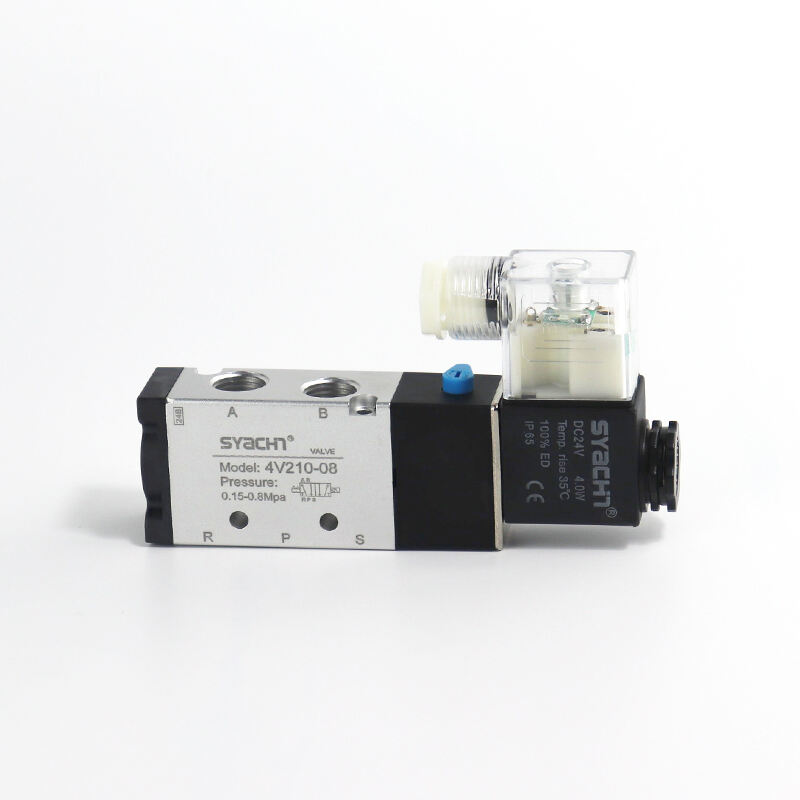
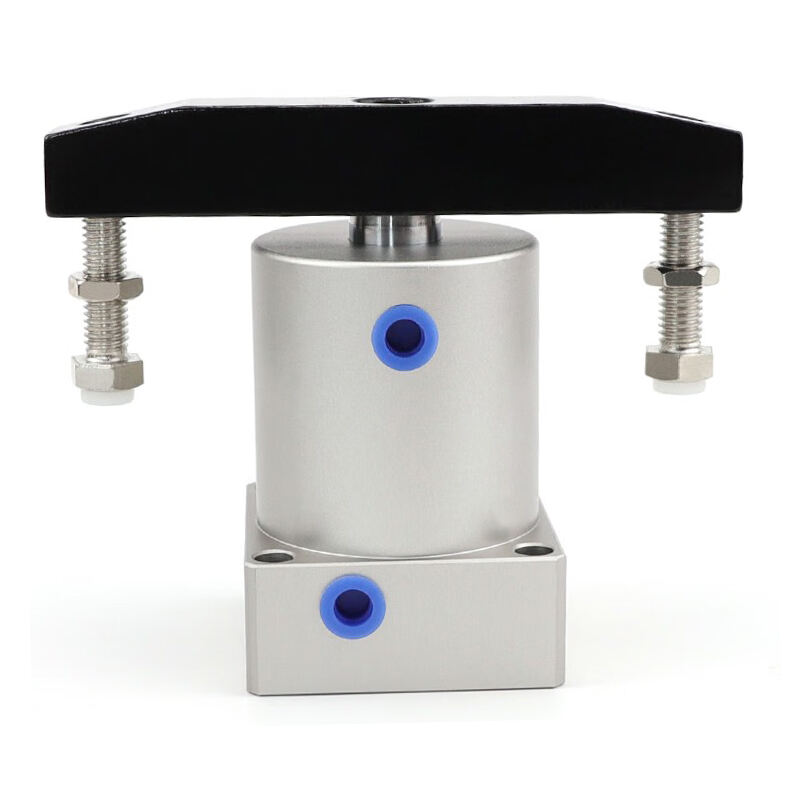
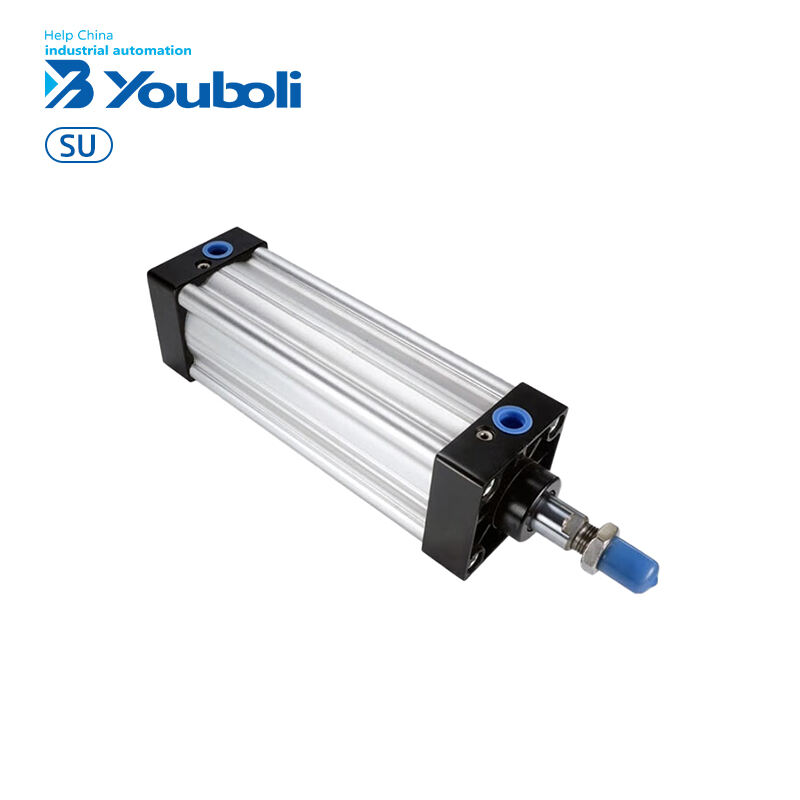
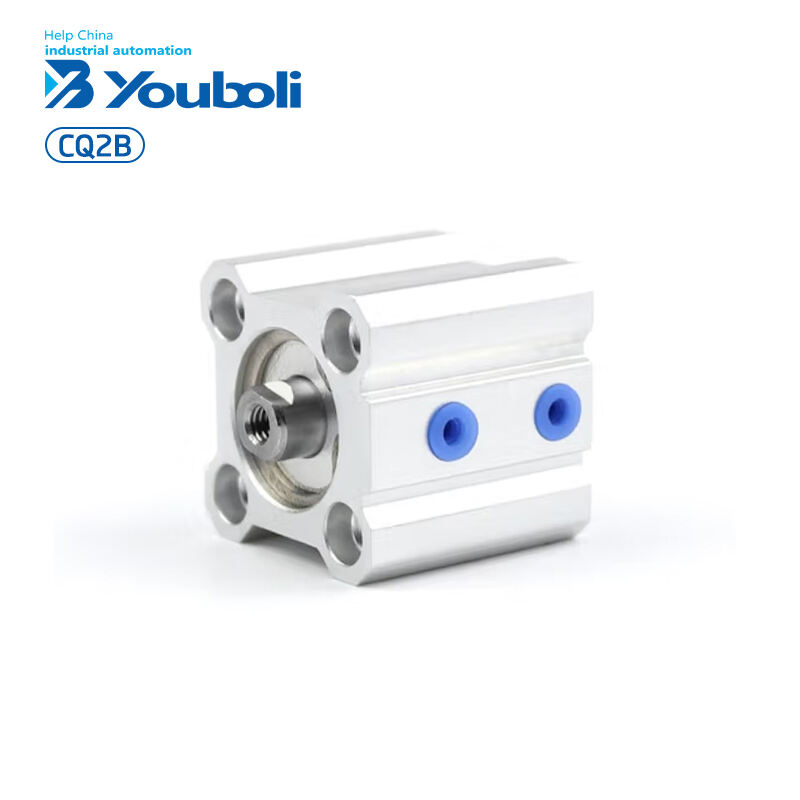
A pneumatic system harnesses the power of compressed air to perform mechanical work, serving as a cornerstone of modern industrial automation. These systems convert air pressure into linear or rotary motion, enabling precise control and efficient operation across various applications. The technology comprises essential components including compressors, air preparation units, valves, actuators, and control systems, working in harmony to deliver reliable performance. Pneumatic systems excel in environments requiring clean operation, as they don't produce contaminants and operate using naturally available air. The technology incorporates advanced features such as pressure regulation, air filtration, and moisture removal to ensure optimal performance. Modern pneumatic systems often integrate smart sensors and digital controls, allowing for real-time monitoring and adjustment of operating parameters. These systems find widespread use in manufacturing assembly lines, packaging equipment, material handling systems, and automation processes across industries. The versatility of pneumatic systems enables them to handle tasks ranging from simple pushing and pulling operations to complex automated sequences, making them indispensable in industrial settings.


New Product Recommendations

Pneumatic systems offer numerous compelling advantages that make them a preferred choice in various industrial applications. First, they provide exceptional cost-effectiveness, requiring minimal initial investment compared to hydraulic or electric alternatives, while delivering reliable performance over extended periods. The simplicity of pneumatic components translates to reduced maintenance requirements and lower operating costs. Safety stands out as another crucial benefit, as pneumatic systems operate with compressed air, eliminating the risks associated with electrical systems or hydraulic fluid leaks. The technology's inherent flexibility allows for easy system modifications and expansions to accommodate changing production needs. Pneumatic systems excel in environments requiring rapid cycling, offering quick response times and high-speed operation. The clean operation of pneumatics makes them ideal for food processing, pharmaceutical manufacturing, and other hygiene-sensitive applications. Energy efficiency is achieved through the ability to store compressed air for later use and the option to recycle excess air back into the system. The systems demonstrate remarkable durability, withstanding harsh industrial environments while maintaining consistent performance. Additionally, pneumatic systems offer precise control capabilities, enabling accurate positioning and force regulation in automated processes. The technology's compatibility with modern control systems allows for seamless integration into Industry 4.0 environments, supporting advanced automation and data collection capabilities.

Latest News

Pneumatic Pipe Fittings: Types and Applications Guide

20

Oct

Pneumatic Pipe Fittings: Types and Applications Guide

Essential Components for Efficient Pneumatic Systems In the world of industrial automation and manufacturing, pneumatic pipe fittings serve as the crucial connectors that ensure the reliable operation of compressed air systems. These essential compon...
View More
Pneumatic Solenoid Valves: How They Work and Key Selection Criteria

27

Nov

Pneumatic Solenoid Valves: How They Work and Key Selection Criteria

Pneumatic solenoid valves serve as critical control components in industrial automation systems, managing the flow of compressed air to actuate cylinders, motors, and other pneumatic devices. These electrically controlled valves provide precise on-of...
View More
How to Design an Efficient Pneumatic System with the Right Pipe Fittings

12

Dec

How to Design an Efficient Pneumatic System with the Right Pipe Fittings

Designing an efficient pneumatic system requires careful consideration of multiple components, with the selection of appropriate pipe fittings serving as a critical foundation for optimal performance. A well-designed pneumatic system can significantl...
View More
Pneumatic Cylinder Troubleshooting: 5 Common Problems and How to Fix Them

12

Dec

Pneumatic Cylinder Troubleshooting: 5 Common Problems and How to Fix Them

Industrial automation systems rely heavily on pneumatic cylinders to deliver consistent power and precision across countless applications. These essential components convert compressed air energy into linear mechanical motion, making them indispensab...
View More

Get a Free Quote

Our representative will contact you soon.
Email
Name
Company Name
WhatsApp
Message
0/1000

pneumatic

Advanced Control and Precision

Advanced Control and Precision

Modern pneumatic systems incorporate sophisticated control mechanisms that enable unprecedented levels of precision and automation capability. Digital pressure sensors and electronic controllers provide real-time feedback, allowing for precise adjustment of force, speed, and position. The integration of proportional control valves enables infinite variability in movement and pressure control, surpassing traditional on-off functionality. This level of control makes pneumatic systems ideal for applications requiring delicate handling or precise positioning. Advanced monitoring capabilities allow for predictive maintenance and system optimization, reducing downtime and improving overall efficiency. The ability to program complex sequences and coordinate multiple actuators enables sophisticated automation solutions that can adapt to varying production requirements.
Environmental and Economic Benefits

Environmental and Economic Benefits

Pneumatic systems represent an environmentally conscious choice while delivering substantial economic advantages. Unlike hydraulic systems, pneumatics use clean, renewable air as their working medium, eliminating the need for potentially harmful fluids and their disposal. The systems feature energy recovery capabilities, where excess compressed air can be stored and reused, reducing overall energy consumption. The minimal maintenance requirements and long service life of pneumatic components contribute to lower total ownership costs. The systems' modular design allows for easy upgrades and modifications, protecting initial investments while enabling future expansion. Additionally, the clean operation reduces contamination risks and cleaning requirements, particularly valuable in sensitive manufacturing environments.
Versatility and Integration Capabilities

Versatility and Integration Capabilities

The remarkable versatility of pneumatic systems enables their deployment across diverse industrial applications while offering seamless integration with existing infrastructure. These systems can be easily scaled from simple single-actuator setups to complex multi-axis automation solutions. The technology supports various communication protocols, enabling integration with PLC systems, industrial networks, and IoT platforms. Pneumatic systems can operate effectively in extreme temperatures and harsh environments where other technologies might fail. The ability to combine pneumatic components with electronic controls and sensors creates hybrid solutions that maximize efficiency and functionality. Furthermore, the systems can be customized with specialized components to meet specific application requirements, from high-speed packaging to precise assembly operations.

Get a Free Quote

Our representative will contact you soon.
Email
Name
Company Name
WhatsApp
Message
0/1000

Copyright © 2025 Youboli Pneumatic Technology Co., Ltd. All right reserved  -  Privacy policy