
 EN
EN
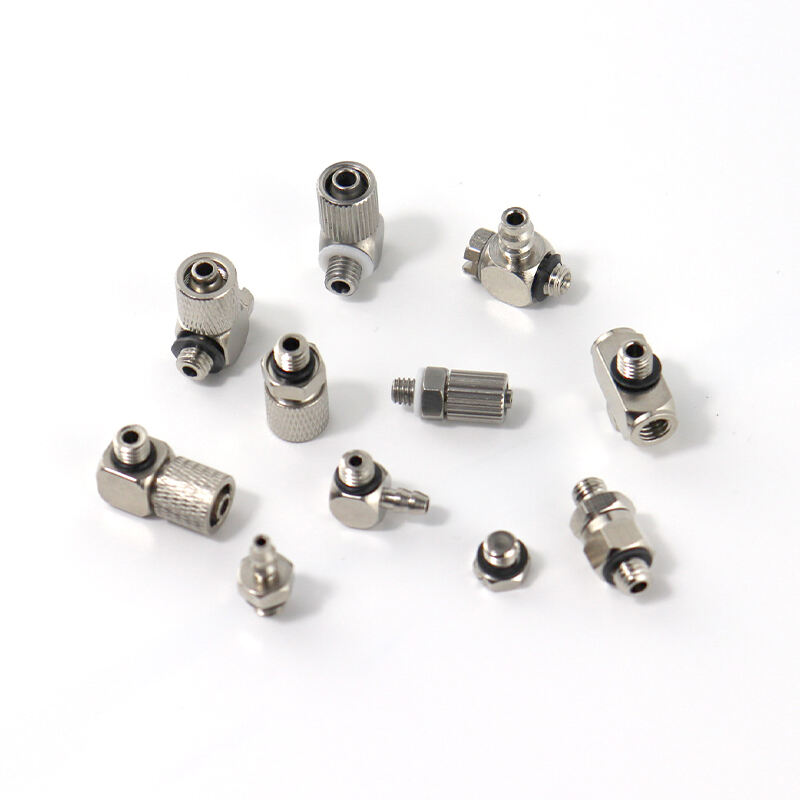
A pneumatic fitting serves as the critical connection point in compressed air systems, enabling secure and efficient transfer of pressurized air between components. These essential components form the backbone of countless industrial applications, from manufacturing automation to packaging equipment. Understanding the fundamentals of pneumatic fittings helps engineers and technicians select the right components for optimal system performance and reliability.
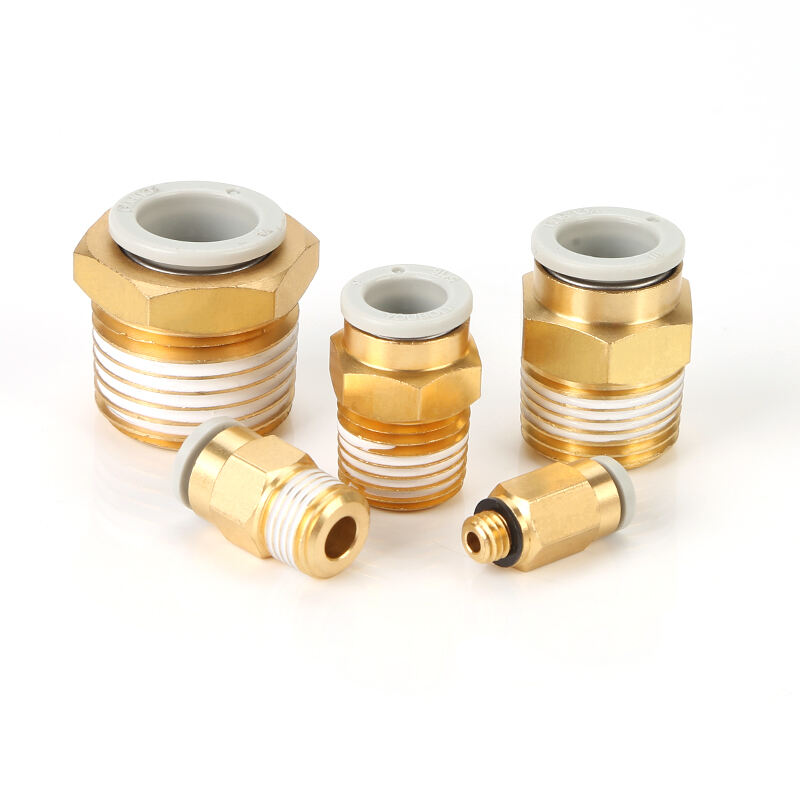
Modern pneumatic systems demand precise control and leak-free connections to maintain efficiency and safety standards. The selection of appropriate fittings directly impacts system pressure loss, maintenance requirements, and overall operational costs. Whether connecting actuators, valves, or distribution manifolds, each fitting must withstand dynamic pressure cycles while providing consistent sealing performance.
Industrial applications rely heavily on standardized fitting designs to ensure compatibility across different manufacturers and system components. This standardization facilitates maintenance procedures, reduces inventory requirements, and enables system modifications without extensive redesign efforts. The evolution of fitting technology continues to address emerging challenges in automation and energy efficiency.
Understanding Pneumatic Fitting Components and Design
Core Construction Elements
The fundamental design of a pneumatic fitting incorporates several critical elements that ensure reliable performance under varying operating conditions. The fitting body, typically manufactured from brass, stainless steel, or engineered plastics, provides structural integrity and corrosion resistance. Thread specifications follow international standards such as NPT, BSP, or metric configurations to ensure universal compatibility.
Sealing mechanisms represent the most crucial aspect of fitting design, as they prevent air leakage that can compromise system efficiency. O-rings, gaskets, and thread sealants work in combination to create multiple barriers against pressure loss. The selection of sealing materials depends on operating temperature ranges, chemical compatibility, and pressure requirements specific to each application.
Internal flow paths within fittings are engineered to minimize pressure drop and turbulence that can affect system response times. Smooth bore designs and optimized geometry reduce energy consumption while maintaining consistent flow characteristics. Advanced manufacturing techniques enable precise internal dimensions that contribute to overall system performance.
Material Selection Considerations
Material selection for pneumatic fittings involves careful consideration of environmental factors, chemical exposure, and mechanical stress requirements. Brass fittings offer excellent machinability and moderate corrosion resistance, making them suitable for general industrial applications. The antimicrobial properties of brass also provide benefits in food processing and medical equipment installations.
Stainless steel fittings deliver superior corrosion resistance and strength characteristics required in harsh industrial environments. These fittings withstand exposure to aggressive chemicals, high temperatures, and frequent cleaning cycles common in pharmaceutical and food production facilities. The higher initial cost of stainless steel is often justified by extended service life and reduced maintenance requirements.
Engineered plastic fittings provide cost-effective solutions for applications where metal components may be unnecessary or problematic. Lightweight plastic construction simplifies installation procedures and reduces system weight, particularly beneficial in mobile equipment and aerospace applications. Modern plastic formulations offer impressive strength-to-weight ratios and chemical resistance properties.
Common Types and Configurations
Push-to-Connect Fittings
Push-to-connect fittings have revolutionized pneumatic system assembly by eliminating the need for tools and reducing installation time significantly. These fittings utilize internal gripping mechanisms that secure tubing while providing immediate pressure sealing. The instant connection capability makes them ideal for applications requiring frequent disconnection for maintenance or reconfiguration.
The internal design features include collet-style gripping teeth that engage the tube exterior and a sealing element that prevents air leakage. Release mechanisms allow easy disconnection by simply pressing a collar or lever while pulling the tubing. This design philosophy extends to various port configurations including straight, elbow, tee, and cross arrangements.
Quality push-to-connect fittings incorporate redundant sealing systems to ensure reliable performance throughout numerous connection cycles. Manufacturers specify minimum insertion depths and tube preparation requirements to achieve optimal sealing and retention forces. Proper installation techniques maximize fitting performance and prevent premature failure modes.
Threaded Connection Systems
Traditional threaded connections remain prevalent in applications requiring permanent or semi-permanent joints with high pressure capability. Male and female thread combinations accommodate various piping standards and enable secure connections to valves, manifolds, and pressure vessels. Thread engagement specifications ensure adequate strength margins for operating pressure requirements.
Tapered threads create metal-to-metal sealing that becomes tighter under pressure, while parallel threads rely on separate sealing elements such as O-rings or washers. The choice between tapered and parallel thread systems depends on application requirements, maintenance accessibility, and sealing performance criteria. Each system offers distinct advantages for specific operational environments.
Thread preparation and assembly procedures significantly impact connection reliability and service life. Proper thread compound application, torque specifications, and inspection requirements prevent galling, cross-threading, and inadequate sealing. Training programs for maintenance personnel ensure consistent installation quality across all system connections.
Sizing Standards and Specifications
Tube Size Compatibility
Pneumatic fitting sizes correspond to standard tubing dimensions that facilitate system design and component selection. Common tube sizes range from 4mm to 25mm outside diameter for metric systems, while imperial sizes typically span from 1/8 inch to 1 inch. Each Pneumatic Fitting size designation includes specific tolerances that ensure proper sealing and retention performance.
Wall thickness variations in pneumatic tubing affect fitting selection, as internal gripping mechanisms must accommodate different tube constructions. Standard wall thickness specifications ensure compatibility across manufacturers while maintaining adequate burst pressure ratings. Heavy-wall tubing may require specialized fitting designs to achieve proper grip and seal engagement.
Conversion fittings enable connections between different tube sizes within the same system, allowing flexibility in distribution network design. Step-down and step-up configurations accommodate flow requirements while maintaining pressure ratings appropriate for each circuit segment. Proper sizing calculations prevent flow restrictions that could impact system performance.
Pressure Rating Classifications
Pressure ratings for pneumatic fittings typically range from standard industrial levels of 150 PSI to specialized high-pressure applications exceeding 1000 PSI. Each pressure classification requires specific design features, material grades, and testing protocols to ensure safe operation throughout the intended service life. Manufacturers provide detailed specifications including working pressure, proof pressure, and burst pressure values.
Temperature effects on pressure ratings must be considered during system design, as elevated temperatures can reduce allowable working pressures significantly. De-rating curves provided by manufacturers guide proper selection for applications involving temperature cycling or continuous high-temperature operation. Safety factors built into rating systems account for dynamic loading and aging effects.
Testing standards such as those established by ANSI, ISO, and industry-specific organizations define validation procedures for pressure rating verification. These standards ensure consistent performance expectations across different manufacturers and provide confidence in system design calculations. Regular testing schedules maintain rating validity throughout product lifecycles.
Industrial Applications and Use Cases
Manufacturing Automation Systems
Manufacturing automation represents one of the largest application areas for pneumatic fittings, encompassing assembly lines, packaging equipment, and material handling systems. Robotic work cells utilize pneumatic actuators connected through extensive fitting networks that must provide reliable operation through millions of cycles. The modular nature of modern fitting systems enables rapid reconfiguration as production requirements evolve.
Quality control requirements in automotive and electronics manufacturing demand fitting systems with minimal contamination potential and consistent performance characteristics. Cleanroom compatibility becomes essential for semiconductor and medical device production where particle generation must be strictly controlled. Specialized fitting designs incorporate features that minimize outgassing and particle shedding.
Predictive maintenance programs in manufacturing facilities rely on fitting performance data to optimize replacement schedules and prevent unexpected failures. Monitoring systems track pressure loss trends and connection integrity to identify potential issues before they impact production. This proactive approach reduces downtime costs and improves overall equipment effectiveness.
Process Industry Applications
Chemical processing, oil and gas, and power generation industries present unique challenges for pneumatic fitting applications due to harsh environmental conditions and stringent safety requirements. Corrosive atmospheres, extreme temperatures, and potentially explosive environments demand specialized fitting designs with enhanced material properties and safety certifications.
Hazardous area classifications require fittings that meet specific electrical and mechanical safety standards to prevent ignition sources in explosive atmospheres. Flame-proof and intrinsically safe designs incorporate features that contain potential sparks or heat generation within safe limits. Regular inspection and maintenance protocols ensure continued compliance with safety regulations.
Process optimization in these industries depends on precise control of pneumatic signals and actuator positioning, making fitting performance critical to overall plant efficiency. Leak detection systems monitor fitting integrity and provide early warning of potential failures that could disrupt production or compromise safety systems. Advanced diagnostic capabilities enable condition-based maintenance strategies.
Installation Best Practices
Preparation and Planning
Successful pneumatic fitting installation begins with comprehensive system planning that considers pressure requirements, environmental conditions, and maintenance accessibility. Detailed piping diagrams specify fitting locations, sizes, and orientations to optimize flow paths and minimize pressure losses. Pre-installation meetings ensure all stakeholders understand system requirements and safety procedures.
Tube preparation procedures significantly impact fitting performance and service life, requiring proper cutting, deburring, and cleaning techniques. Square cuts perpendicular to the tube axis ensure optimal sealing contact, while chamfered edges facilitate insertion without damaging internal sealing elements. Contamination control during preparation prevents system contamination that could affect downstream components.
Tool selection and calibration ensure consistent installation quality across all system connections. Torque specifications for threaded fittings prevent under-tightening that allows leakage or over-tightening that damages threads or sealing surfaces. Digital torque tools with data logging capabilities provide documentation for quality assurance programs.
Testing and Commissioning
Systematic testing procedures verify fitting performance before system startup, including pressure tests at specified intervals above working pressure. Leak detection using soap solutions or electronic sensors identifies connection issues that require correction before commissioning. Documentation of test results provides baseline data for future maintenance activities.
Gradual pressure ramp-up procedures allow identification of potential issues while minimizing damage risk to system components. Hold periods at various pressure levels reveal time-dependent leakage that might not be apparent during rapid pressurization. Multiple test cycles verify connection stability under dynamic pressure conditions.
System commissioning includes functional testing of all pneumatic circuits to verify proper operation and performance characteristics. Flow rate measurements confirm adequate capacity for intended applications, while response time testing validates control system requirements. Comprehensive commissioning documentation serves as a reference for future troubleshooting and maintenance activities.
Maintenance and Troubleshooting
Preventive Maintenance Strategies
Regular inspection schedules for pneumatic fittings should include visual examination for corrosion, cracking, or deformation that could indicate impending failure. Pressure testing at extended intervals verifies continued sealing integrity and identifies gradual degradation before it affects system performance. Maintenance logs track fitting performance trends and guide replacement decisions.
Lubrication requirements vary by fitting type and application environment, with some designs requiring periodic lubrication of moving parts while others operate maintenance-free. Compatibility between lubricants and system fluids must be verified to prevent chemical reactions that could damage sealing materials. Proper lubricant application techniques prevent contamination and ensure adequate protection.
Environmental monitoring helps predict fitting service life by tracking exposure to temperature extremes, chemical vapors, and mechanical vibration. Accelerated aging occurs in harsh environments, requiring more frequent inspection and replacement cycles. Protective measures such as shielding or relocation can extend fitting life in challenging applications.
Common Failure Modes and Solutions
Leakage represents the most common failure mode for pneumatic fittings, typically resulting from seal degradation, improper installation, or component wear. Systematic leak detection procedures isolate problem areas and guide repair strategies. Temporary repairs using sealants or clamps may provide short-term solutions while permanent repairs are planned.
Threading damage from improper installation or over-tightening can compromise connection integrity and require fitting replacement. Thread repair techniques using inserts or oversized fittings may restore functionality in some cases. Prevention through proper training and tool selection reduces the occurrence of threading problems.
Contamination-related failures occur when foreign particles interfere with sealing surfaces or gripping mechanisms. System cleaning procedures and filtration upgrades address contamination sources while fitting replacement restores proper function. Regular filter maintenance prevents recurrence of contamination-related issues.
FAQ
What factors should I consider when selecting a pneumatic fitting for my application?
Key selection factors include operating pressure and temperature ranges, environmental conditions such as chemical exposure or moisture, tube size and material compatibility, and connection type preferences. Consider the frequency of disconnection requirements, as push-to-connect fittings excel in applications requiring regular maintenance access while threaded connections provide superior strength for permanent installations. Material compatibility with system fluids and environmental conditions ensures long-term reliability and prevents premature failure.
How do I prevent leakage in pneumatic fitting connections?
Proper installation techniques are crucial for leak prevention, including correct tube preparation with square cuts and adequate insertion depth for push-to-connect fittings. For threaded connections, use appropriate thread sealant and follow specified torque values to achieve proper sealing without over-tightening. Regular inspection schedules help identify potential leak sources before they become significant problems, and maintaining clean connection surfaces prevents contamination that could interfere with sealing performance.
Can I mix different brands of pneumatic fittings in the same system?
While most pneumatic fittings follow industry standards for tube sizes and thread specifications, mixing brands within the same system requires careful verification of dimensional compatibility and performance characteristics. Different manufacturers may have slight variations in tolerances or sealing designs that could affect system performance. It's recommended to maintain consistent fitting brands within critical system sections while ensuring all components meet the same pressure and temperature requirements for your specific application.
What maintenance schedule should I follow for pneumatic fittings?
Maintenance schedules depend on operating conditions and criticality of the application, but general guidelines include monthly visual inspections for signs of wear or damage, quarterly pressure testing of critical connections, and annual replacement of fittings in high-cycle applications. Systems operating in harsh environments or high-pressure applications may require more frequent inspection intervals. Document all maintenance activities and track performance trends to optimize replacement schedules and prevent unexpected failures that could disrupt operations.